
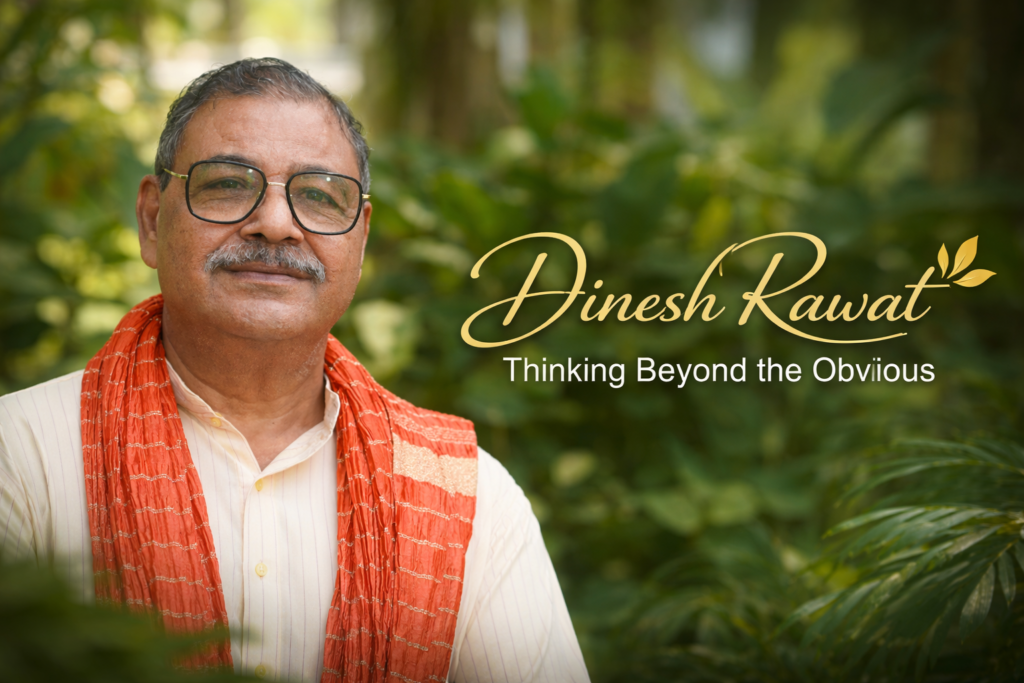
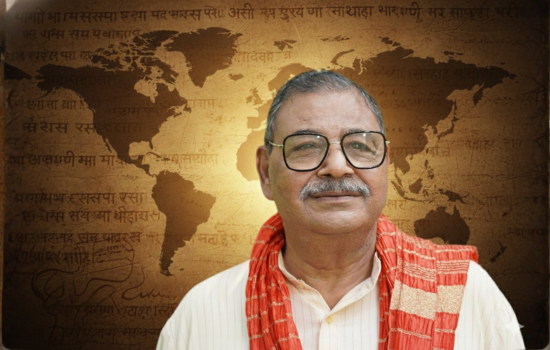
A Distinctive Authorial Profile
Dinesh Rawat’s work does not fit neatly into a single discipline. His authorial identity is shaped by:
- Hands-on environmental and horticultural practice
- Long-term observation of landscapes, institutions, and traditions
- Independent historical inquiry beyond inherited academic frameworks
- A commitment to clarity, balance, and evidence over ideology
He writes neither as a detached academic nor as a popular commentator, but as a practitioner-observer—someone who studies systems by working within them.
Ecology, Environment & Living Landscapes
Dinesh Rawat is widely known for his work in gardening, landscaping, and ecological design, developed through decades of practical engagement.
His environmental writing focuses on:
- Climate-responsive gardening and landscaping
- Ecology-led plant selection and landscape planning
- Soil, water, and micro-climate as foundational design elements
- Long-term sustainability rather than short-term aesthetics
- Landscapes that survive maintenance realities, not just design intent
Rather than promoting imported models, his work emphasizes context-fit solutions—methods shaped by climate, soil, water availability, and cultural use.
He consistently argues that:
- Gardens fail when ecology is treated as decoration
- Landscapes succeed when ecology leads design decisions
- Sustainability is not a concept, but a discipline
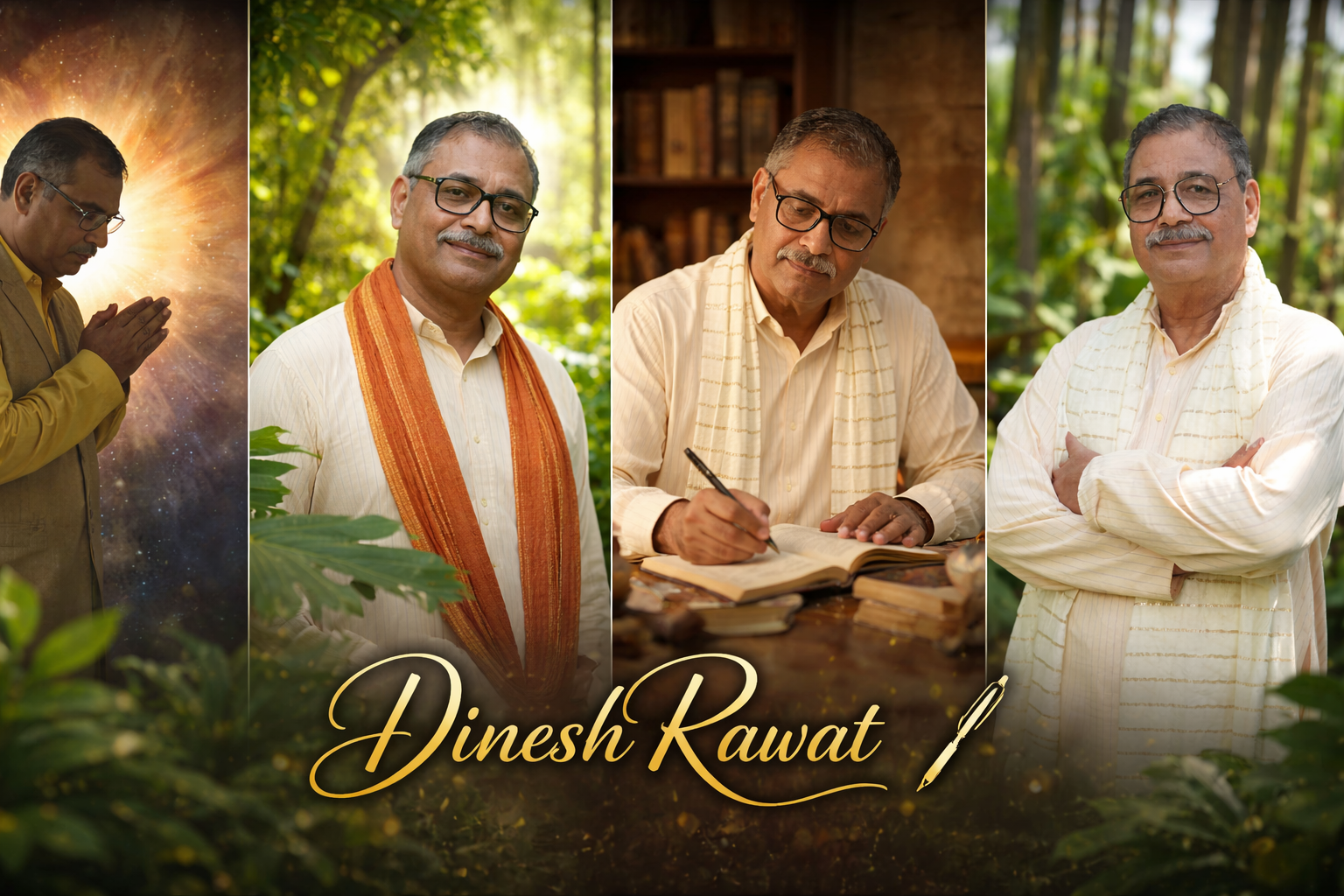
Civilizational History & Knowledge Continuity
Alongside environmental work, Dinesh Rawat is deeply engaged in civilizational and historical inquiry, particularly the long continuity of Indian civilization. His historical writing explores:He approaches history as a civilizational process, asking how societies remember, adapt, and preserve knowledge across centuries—often without centralized control. This perspective allows him to address global audiences, using India as a case study of civilizational continuity, not as an exception or assertion of superiority.
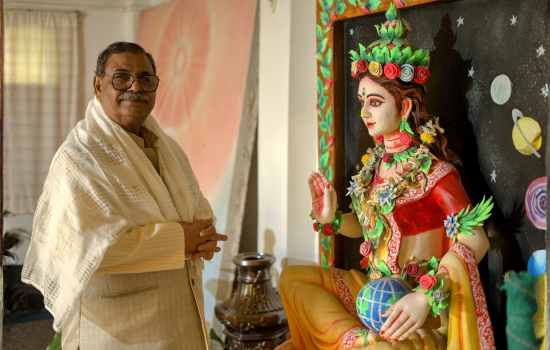
A Unifying Philosophy
- Civilizations survive when knowledge is embedded in daily life
- Ecosystems survive when ecological limits are respected
- Both history and environment collapse when reduced to abstractions
- Imported models—whether ecological or historical—fail when disconnected from lived reality
Method & Approach
Dinesh Rawat’s writing is characterized by:
- A practice-led approach rather than theory-first abstraction
- Interdisciplinary synthesis (ecology, history, culture, climate, institutions)
- Respect for traditional knowledge without romanticization
- Critical engagement without polemics
- Language accessible to serious readers worldwide
He does not write to provoke reaction, but to encourage re-examination.
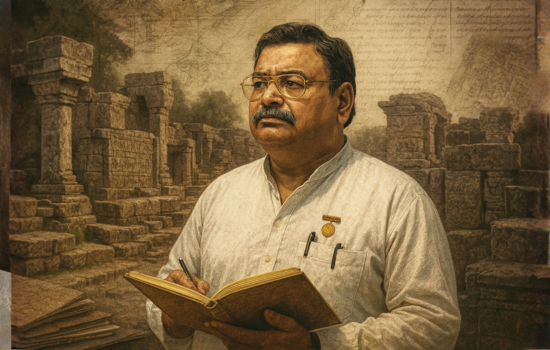
Global Relevance
Although rooted in Indian contexts, Dinesh Rawat’s work addresses universal concerns:
- Climate change and ecological resilience
- Sustainable living in resource-constrained environments
- How civilizations preserve knowledge without centralized systems
- The dangers of copying models without context
- The need for long-term thinking in both environment and history
India’s ecological diversity and civilizational depth are treated as learning grounds for global readers, not as insular narratives.
Audience & Readership
Dinesh Rawat writes for readers who value depth over opinion, including students and educators, landscape professionals and environmental practitioners, thoughtful general readers, and institutions committed to sustainability and cultural heritage
Writing Style & Tone
Readers often note that his writing is:
- Calm and measured
- Evidence-oriented
- Free from sensationalism
- Grounded in lived observation
- Structured for clarity rather than rhetoric
This makes his work suitable for international readership, institutional use, and long-term reference.
Independence & Perspective
A defining aspect of Dinesh Rawat’s authorship is independence. He works outside formal academic or institutional constraints, which allows him to:
- Question inherited frameworks respectfully
- Cross disciplinary boundaries without limitation
- Combine field practice with historical inquiry
- Address uncomfortable gaps without ideological pressure
This independence is central to the credibility of his work.
Long-Term Vision
Dinesh Rawat’s books are not written for immediate trends. They are intended toWhere Knowledge Becomes Practice
At the heart of Dinesh Rawat’s authorship lies a simple conviction:
Knowledge survives only when it is lived, practiced, and carried forward with responsibility.
Whether writing about gardens or civilizations, his work consistently returns to this principle—offering readers not conclusions, but frameworks for long-term understanding.
A Distinctive Authorial Profile
Dinesh Rawat’s work does not fit neatly into a single discipline. His authorial identity is shaped by:
- Hands-on environmental and horticultural practice
- Long-term observation of landscapes, institutions, and traditions
- Independent historical inquiry beyond inherited academic frameworks
- A commitment to clarity, balance, and evidence over ideology
He writes neither as a detached academic nor as a popular commentator, but as a practitioner-observer—someone who studies systems by working within them.
Core Areas of Work
1. Ecology, Environment & Living Landscapes
Dinesh Rawat is widely known for his work in gardening, landscaping, and ecological design, developed through decades of practical engagement.
His environmental writing focuses on:
- Climate-responsive gardening and landscaping
- Ecology-led plant selection and landscape planning
- Soil, water, and micro-climate as foundational design elements
- Long-term sustainability rather than short-term aesthetics
- Landscapes that survive maintenance realities, not just design intent
Rather than promoting imported models, his work emphasizes context-fit solutions—methods shaped by climate, soil, water availability, and cultural use.
He consistently argues that:
- Gardens fail when ecology is treated as decoration
- Landscapes succeed when ecology leads design decisions
- Sustainability is not a concept, but a discipline
2. Civilizational History & Knowledge Continuity
Alongside environmental work, Dinesh Rawat is deeply engaged in civilizational and historical inquiry, particularly the long continuity of Indian civilization.
His historical writing explores:
- History beyond political chronology
- Civilizations as living processes rather than event sequences
- Knowledge transmission through rituals, calendars, institutions, and daily practice
- Evidence that survives outside formal archives
- The limits of colonial-era historiography
He approaches history as a civilizational process, asking how societies remember, adapt, and preserve knowledge across centuries—often without centralized control.
This perspective allows him to address global audiences, using India as a case study of civilizational continuity, not as an exception or assertion of superiority.
A Unifying Philosophy
Although ecology and history appear distinct, Dinesh Rawat treats them as deeply connected.
His central philosophical positions include:
- Civilizations survive when knowledge is embedded in daily life
- Ecosystems survive when ecological limits are respected
- Both history and environment collapse when reduced to abstractions
- Imported models—whether ecological or historical—fail when disconnected from lived reality
In his work, soil and memory are treated with equal seriousness, as both determine long-term survival.
Method & Approach
Dinesh Rawat’s writing is characterized by:
- A practice-led approach rather than theory-first abstraction
- Interdisciplinary synthesis (ecology, history, culture, climate, institutions)
- Respect for traditional knowledge without romanticization
- Critical engagement without polemics
- Language accessible to serious readers worldwide
He does not write to provoke reaction, but to encourage re-examination.
Global Relevance
Although rooted in Indian contexts, Dinesh Rawat’s work addresses universal concerns:
- Climate change and ecological resilience
- Sustainable living in resource-constrained environments
- How civilizations preserve knowledge without centralized systems
- The dangers of copying models without context
- The need for long-term thinking in both environment and history
India’s ecological diversity and civilizational depth are treated as learning grounds for global readers, not as insular narratives.
Audience & Readership
Dinesh Rawat writes for:
- Readers seeking depth over opinion
- Students and educators
- Landscape professionals and environmental practitioners
- Thoughtful general readers
- Institutions and organizations concerned with sustainability and heritage
His work is frequently used as:
- Reference material
- Teaching support
- Practical guides
- Long-term documentation of ecological and civilizational thinking
Writing Style & Tone
Readers often note that his writing is:
- Calm and measured
- Evidence-oriented
- Free from sensationalism
- Grounded in lived observation
- Structured for clarity rather than rhetoric
This makes his work suitable for international readership, institutional use, and long-term reference.
Independence & Perspective
A defining aspect of Dinesh Rawat’s authorship is independence.
He works outside formal academic or institutional constraints, which allows him to:
- Question inherited frameworks respectfully
- Cross disciplinary boundaries without limitation
- Combine field practice with historical inquiry
- Address uncomfortable gaps without ideological pressure
This independence is central to the credibility of his work.
Long-Term Vision
Dinesh Rawat’s books are not written for immediate trends. They are intended to:
- Remain relevant across decades
- Serve as usable knowledge repositories
- Encourage responsible thinking across generations
- Contribute to ecological resilience and historical clarity
Future areas of work naturally extend into:
- Climate change and adaptation
- Urban ecology
- Water systems and soil health
- Comparative civilizational studies
- Knowledge transmission in a changing world
Closing Perspective
At the heart of Dinesh Rawat’s authorship lies a simple conviction:
Knowledge survives only when it is lived, practiced, and carried forward with responsibility.
Whether writing about gardens or civilizations, his work consistently returns to this principle—offering readers not conclusions, but frameworks for long-term understanding.
Connect with the Author
Our Website
dineshrawat.live
greengurudineshrawat
Instragram
safalyogidineshrawat
Twitter / X
Rawa83421Dinesh
YouTube
Glories-Of-India
Contact Us
- Green Mall Campus. Bakhrahat Road, Samukpota, (Near DPS Joka) South 24 Parganas. PIN 743503